CAVWV - Coalition of Allied Vietnam War Veterans
  • CAVWV
    • About Us
    • Board of Directors
    • Coalition Partners
    • Meetings
    • Book & Film & Further Reading
  • Our Allies
    • Afghanistan >
      • Conditions in Afghanistan
      • SIV Frequently Asked Questions
    • Our Allies Vietnam War >
      • Vietnam War >
        • Republic of Veitnam >
          • Current Conditions in Communist Vietnam
        • Cambodia & Khmer Republic >
          • Current Conditions in Cambodia
        • Laos "The Secret War " >
          • Upland Lao
          • Midland Lao
          • Lowland Lao
          • Ho Chi Minh Trail
          • Lao Lima Sites
          • Campaign 74B
          • Battle for Skyline Ridge
          • AIR AMERICA
        • Canada
        • Korea - ROK
        • New Zealand & Australia
        • Taiwan - ROC >
          • Taiwan Current Conditions
        • Thailand
        • United States of America
        • Other Coalition Countries ( 1954-1975 )
        • POW-MIA-Genocide
        • Tibet
        • Communist Aggression >
          • Communist Combatents North Vietnam
      • Maps
  • Veteran defined
    • Proposed Amendment to SF1959 >
      • A25-0066 amendment
    • Amended tite 38, Part 38, analysis and arguments >
      • Inclusive Recognition
      • Excluded Allies & Units
      • Letters and Testimony
    • Bill Text, benifits provided and problems found
    • Task Force Established >
      • CAVWV Report & Analysis >
        • Filipino WWII veterans
        • Baird - Hillmer
        • History of SGU OrganizationsNew Page
        • Motion #1, Task Force
    • Final Overview
  • Legislation
    • State of Minnesota >
      • "Completing the Record" Documentary
      • 50th Commemoration Funding
      • Hmong Monument Controversy
    • Congressional legislation >
      • Hmong Gold Medal
      • Hmong Burial Controversy >
        • Public Law 115-141’s Division J, Title II, Sec. 251, Paragraph (b) (10)
        • Pre Burial Application w/ Qualifications >
          • Criteria
        • Analysis, Rationale and Research >
          • 1971 Moose-Lowenstein Report
        • Coalition Remedy to PL-115-141
        • Costa Remedy >
          • Press Release HR 4204
        • Insixiegmay Khao Case >
          • Appeal to Congress
          • Callahan Letter
        • Vila Chau Case
        • Tran Van Quy Case
        • VA Amendment to Title 38
        • Pre burial and addendum application
      • Afghan Allies Protection Act of 2009 >
        • S.2327 TEXT
        • S2324 text
        • S.1786 TEXT
      • Legacy Fund & Veterans
  • Special Projects
    • Featured Focus >
      • PBS "The Vietnam War" >
        • Thomas Briggs
        • The Vietnam War an Introduction >
          • " Last Days in Vietnam " Documentary
        • Steve Sherman, "Re-examining History"
    • Declaration of Independence Khmer Translation
    • SOG Monument >
      • VA Responce
    • Phil Conran
    • Timeline Series >
      • Timeline South Vietnam >
        • 1995-2000
        • 2000-2005
        • 2005-2015
      • Cambodia Timeline
      • Timeline Laos >
        • Laos Timeline Table I
        • Laos Timeline Table II
        • Timeline Hmong
      • Timeline Afghan Evacuation
      • Timeline Communism
    • Allied Veteran Story Collections >
      • Vila Chau
  • Events & Observances
    • Obituaries & Funeral Services >
      • In Memoriam >
        • Ananh "Lee" Saenviley
    • Coalition Observances >
      • CAVWV Veterans Day Commemoration
      • Mental Health Awareness Month
      • Gen. John Vessey Day Jr.
      • American Allies Day
    • United States Observances >
      • 1973 Paris Peace Accords Anniversay
      • Vietnam War Veterans Day
      • Memorial Day 2025
      • Independence Day
      • POW / MIA / Genocide Rememberence Day
      • Flag Day
      • American Veterans Day
    • Khmer Observances >
      • Genocide Liberation Day
      • Khmer Republic Veterans Day
    • Vietnam Observances >
      • Vietnam Armed Forces Day June 14, 2025
    • Lao Observances >
      • Lao 50 Veterans 50th Banquet
      • SGU Veterans Commemoration Day
    • Hmong Observances
  • Contact Us

Special Operations Monument

at Fort Snelling National Cemetery, All Airborne Circle

Request for omitted Units to be added to SOG monument, new language submitted to the VA National Cemetery Adminstration Histroians, Responce below

United States Veterans Gift Allies Temporary Plaque
​Adding Omitted Allied Units 

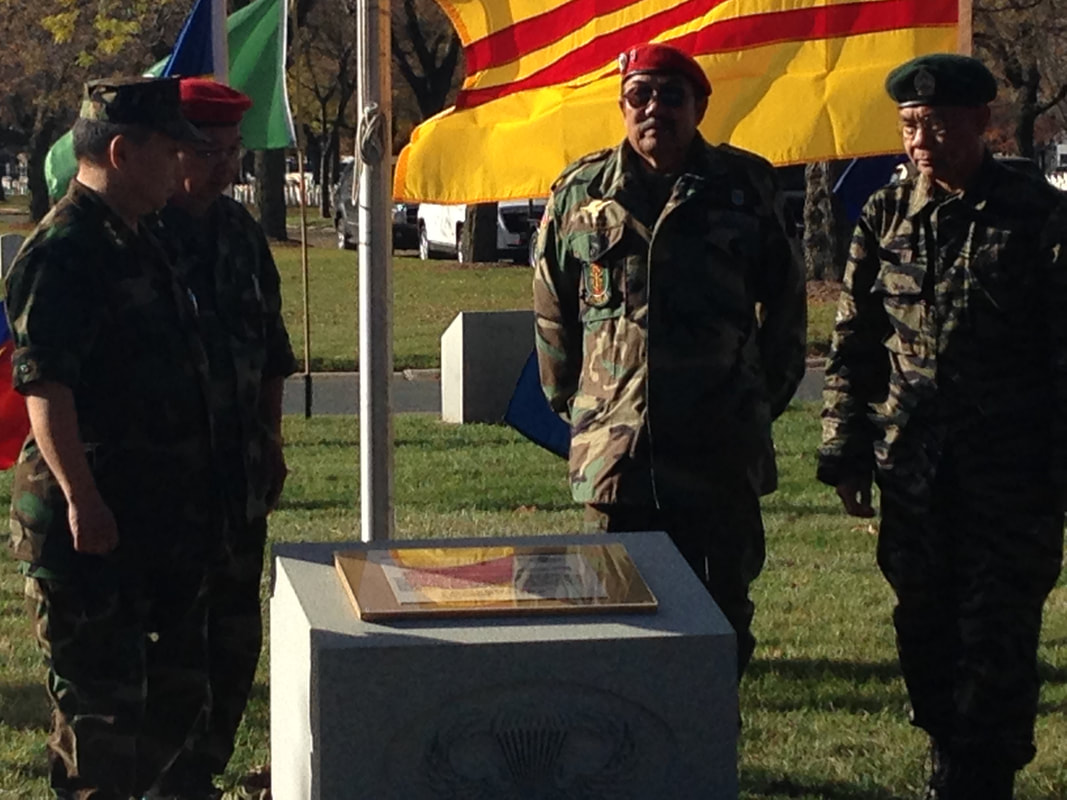
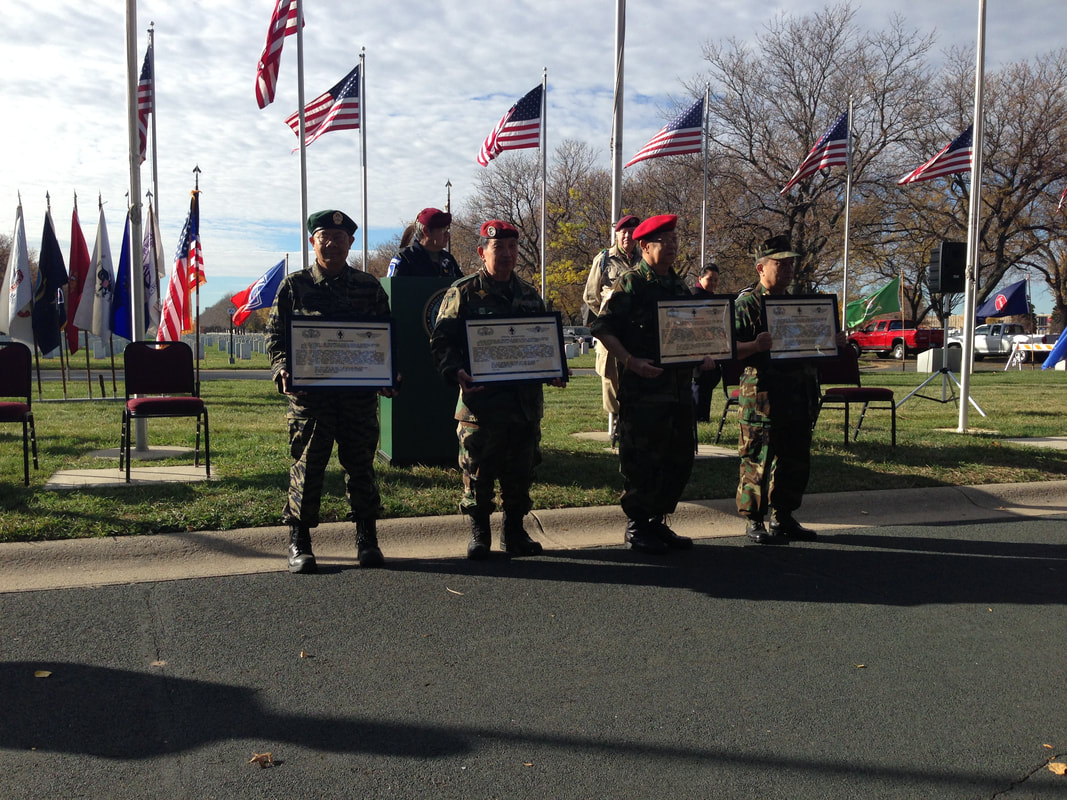
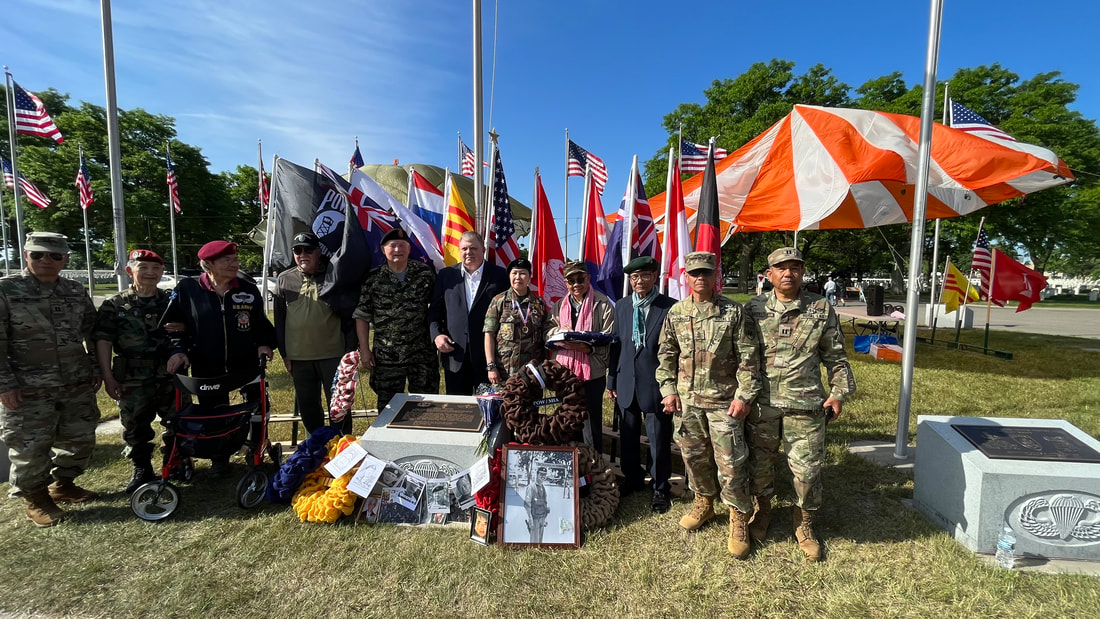
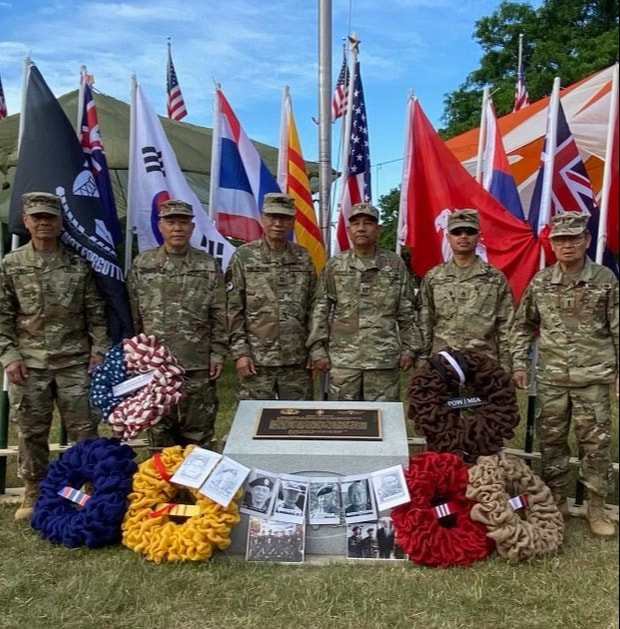
On Memorial Day 2025  United States Army Airborne veterans installed a temporary plaque on the Special Opertions Monument located in the All Airboene Circle at Fort Snelling Naiotnal Cemetery in Minneapolis Minnesota which included omtited special opeeraions units from WWI, WWII, Vietnam and The War on Terror.
The plaque will be used at all commoration events at the monument until the Department of Veteran Affairs competes its review and final determination on the additonal units. 
Picture
Picture
Picture

Update on  re-casting approval and installation of omitted units on SOG Monument, Fort Snelling National Cemetery, Mpls, MN.

Picture
In March of 2024 Special Forces Assoc.Chapter 20, The Midwest All Aireborne Allience, The 183rd Airborne Assoc. of Minnesota and The Coalition of Allied Vietnam War Veterans asked for permission to recast the Plaque on the Special Operations Group Monument located in All Airborne Circle at Fort Snelling National Cemerty. After submitting the addional language of mistakenly omitted units our coalition had not received any formal corrispondence from the Veterans Adminitraion until October 4, 2024. 
Coaltion Director Scott Walker and Special Forces Assoc.Chapter 20 Ron Latchelts met with Deputy Dirctor Marshal Murphy at the administration offices where they discussed the delaty in getting any corrissponcence or approval. Deputy Dircetor Murphy who had been communicating communicated with the Cemerty Administration likewise had not gotten a responce. He assured them that he would contact the Administration Historian yet again hoping to get a responce and appromval. On October 4th, 2024 he received the responce posted below.

Letter to Presidnt Trump
Pres. Trump
Veterans Administration Responce
Responce
Letter to Sec. Collins
Sec. Collins
It appears that in August of 2024 the regulations for language on National Monuments installed in National Cemeteries has been changed resulting in non approval of our re-castsing. Our veterans are now reviewing the responce and accessing what next steps might be taken.


A Brief History of the Special Operations Monument

at Fort Snelling National Cemetery, All Airborne Circle, Minneapolis, Minnesota


Picture
Picture
Picture
Picture
Picture

The Fort Snelling cemetery was established in 1870 to serve as a burial ground for the soldiers who died while stationed at the post. Following World War I, as new legislation expanded the eligibility requirements for burial in a national cemetery, the citizens of St. Paul organized a petition to designate a national cemetery in their area. In 1937, Congress responded with legislation that authorized a portion of land at Fort Snelling Military Reservation for this purpose. Fort Snelling National Cemetery was established in 1939 with the first burial on July 5, of Capt. George H. Mallon, whose acts of heroism at Meuse-Argonne in France were recognized with the Congressional Medal of Honor. Following the dedication of the new cemetery, arrangements were made for the exhumation of the remains of those buried at the older post cemetery and the reinternment of the 680 soldiers who served from 1820-1939 buried in Fort Snelling National Cemetery. The 1930s were also a major boom era for national cemetery growth. Fort Snelling National Cemetery is one of seven NCA properties developed during the period between World War I and World War II to serve large veteran populations in cities across the country.
In May 1960, Fort Snelling Air Force Station transferred 146 acres of land to the national cemetery. One more land transfer of 177 acres followed in 1961, bringing the cemetery to its present size. Because of the frigid winters, about 1,000 graves are dug each fall to be used for winter interments.
Fort Snelling National Cemetery was listed on the National Register of Historic Places in 2016.

History of the Cemetery:   https://www.mnhs.org/fortsnelling/learn/military-history/national-cemetery
Map:   https://www.cem.va.gov/cems/maps/FtSnelling894.asp
​
Find a grave:    https://www.findagrave.com/cemetery/82339/fort-snelling-national-cemetery

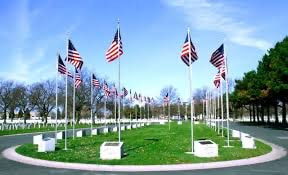
All Airborne Circle, Fort Snelling National Cemetery

All Airborne Circle is a twenty monement section located in the center of Fort Snelling National Cemetery. It was established by The Mid west All Airborne Alliance to honor those Airborne American units who performed duties in defense of freedom and America throughout the world. 
​https://www.va.gov/directory/guide/facility.asp?id=231
https://mnlegion.org/wp-content/uploads/Fort-Snelling-Site-Visit-Report.pdf

Picture
Picture
Picture

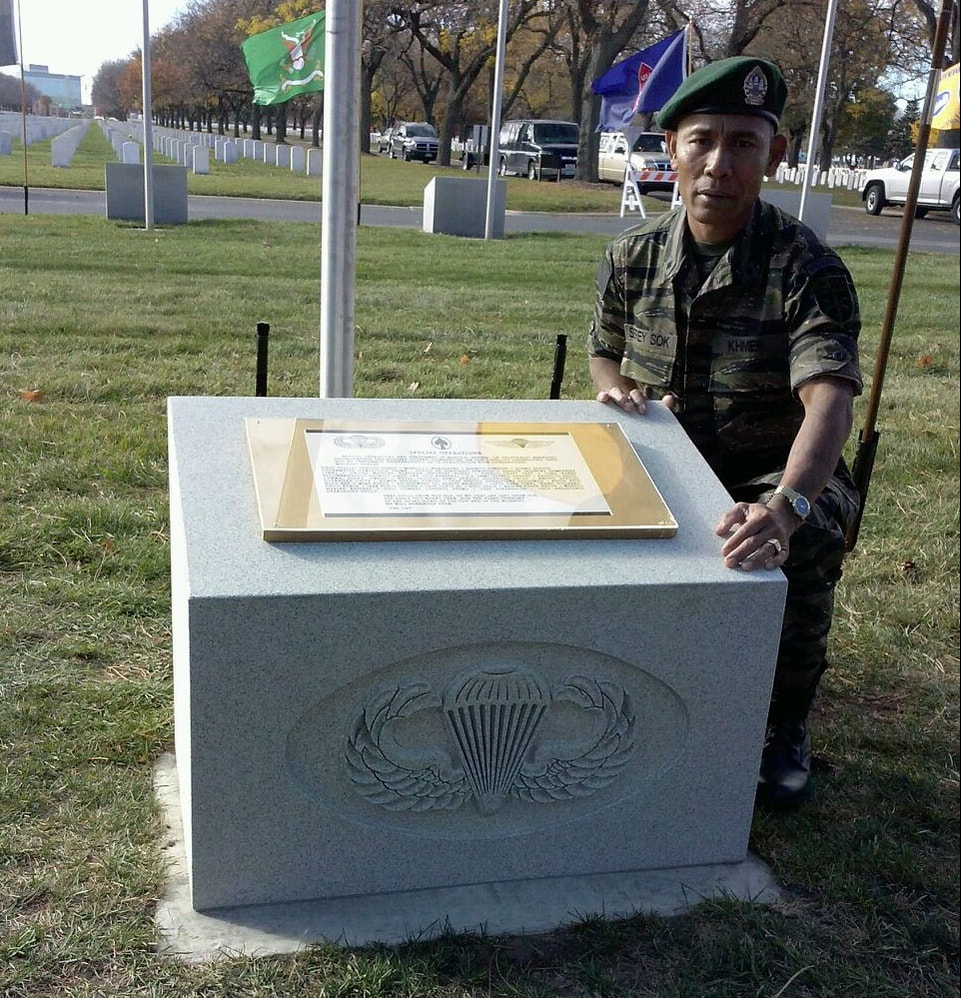
Special Operations Monument

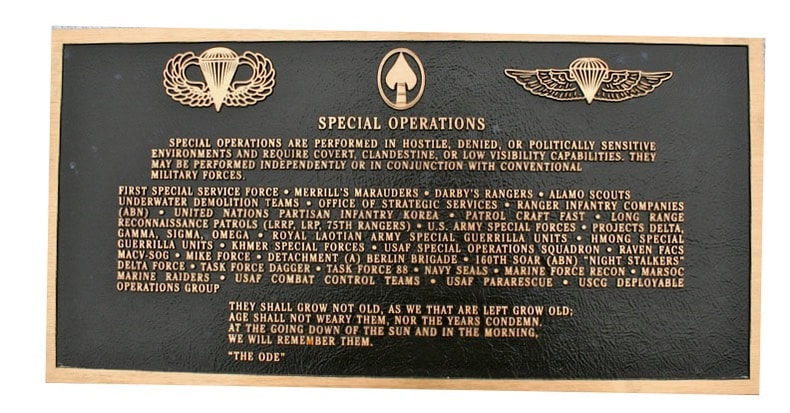
Special operations are defined as actions performed  in hostile, denied or politically sensitive environments and require covert, clandestine, or low visibility capabilities. They may be performed independently or in conjunction with conventional forces. 
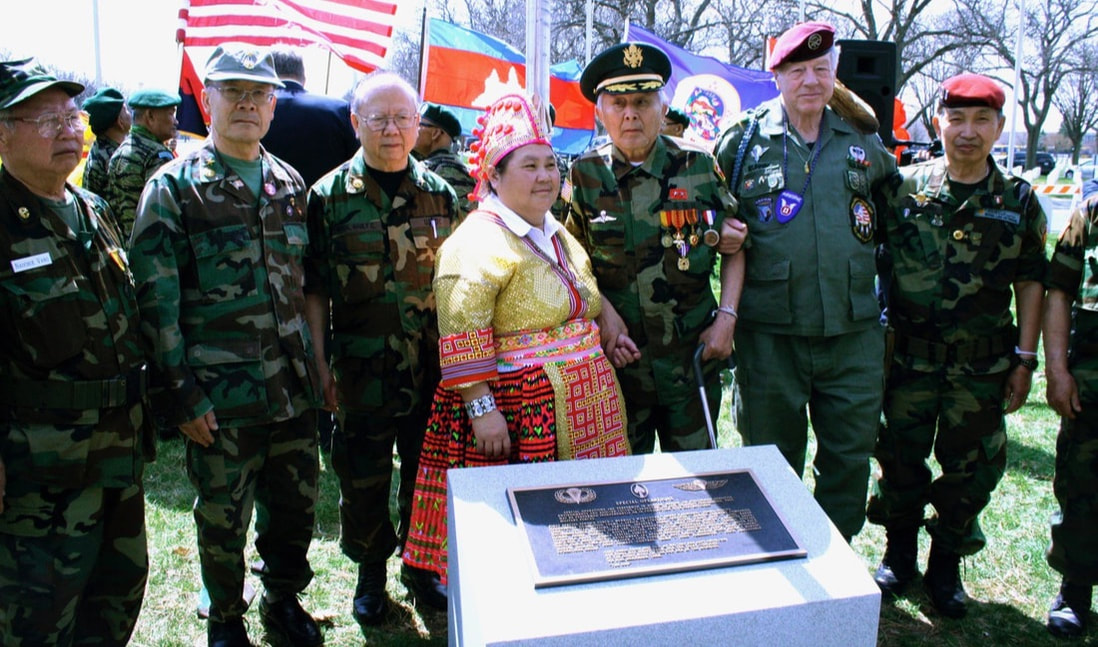
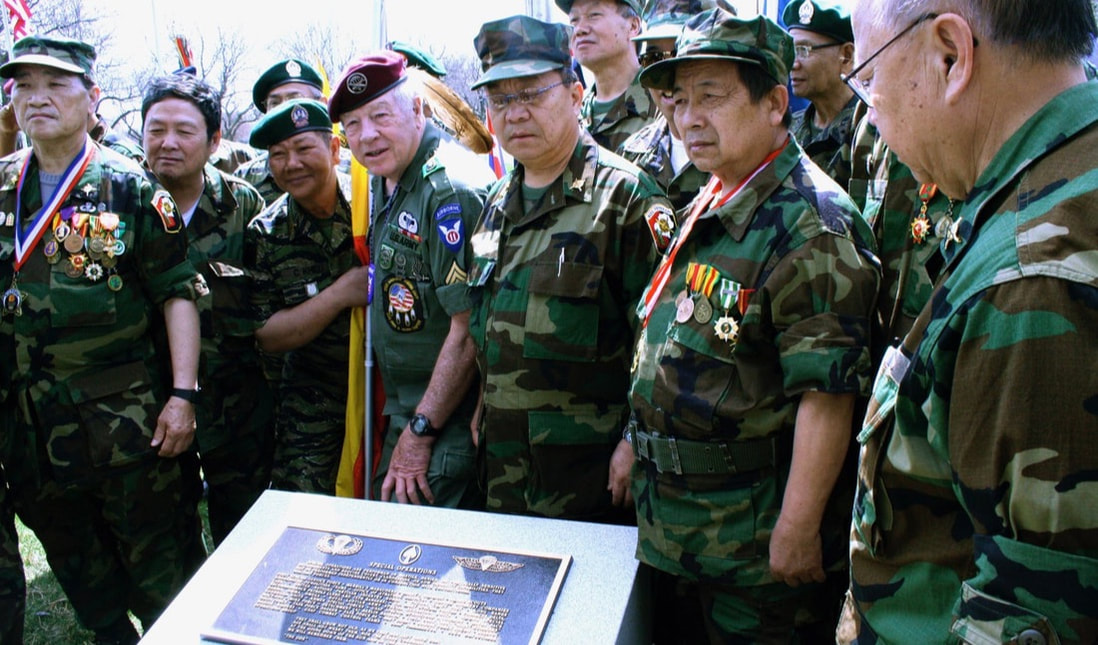
This monument is dedicated to those soldiers and their units who served the United States of America clandestinely in those conflicts around the world in defense of freedom. lt was the last monument installed in All Airborne Circle and is the only monument to include American Allies who served along side them.

Picture

Dedication

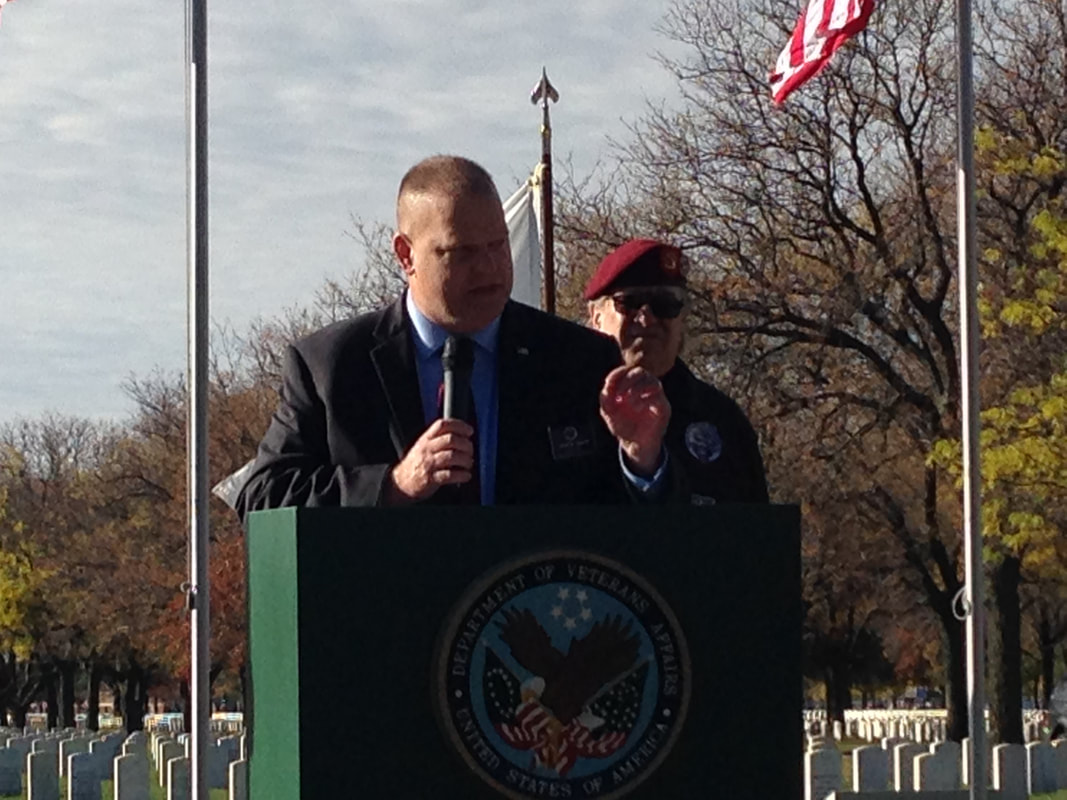
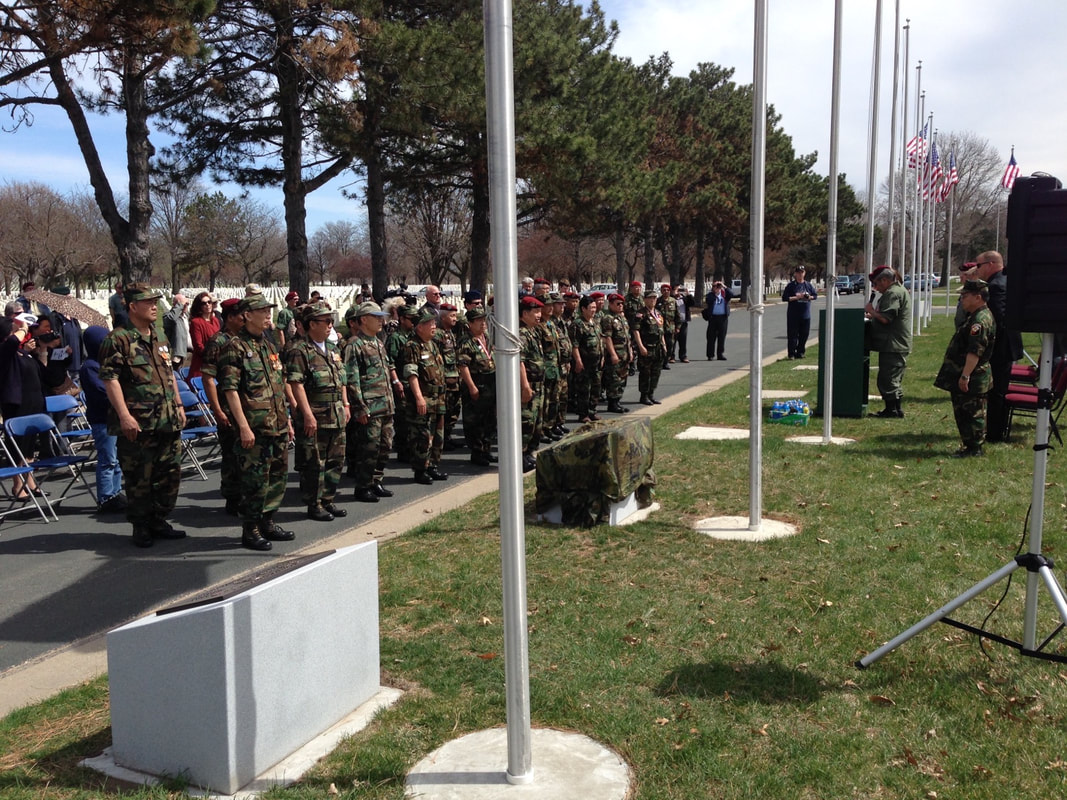
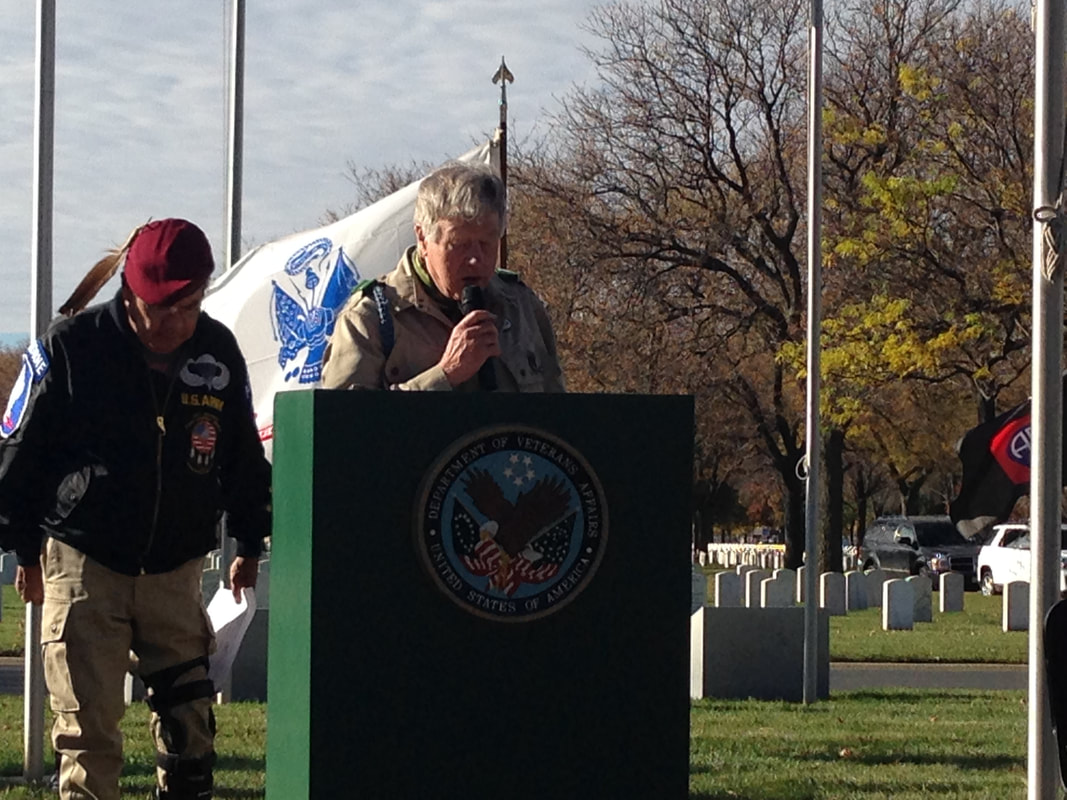
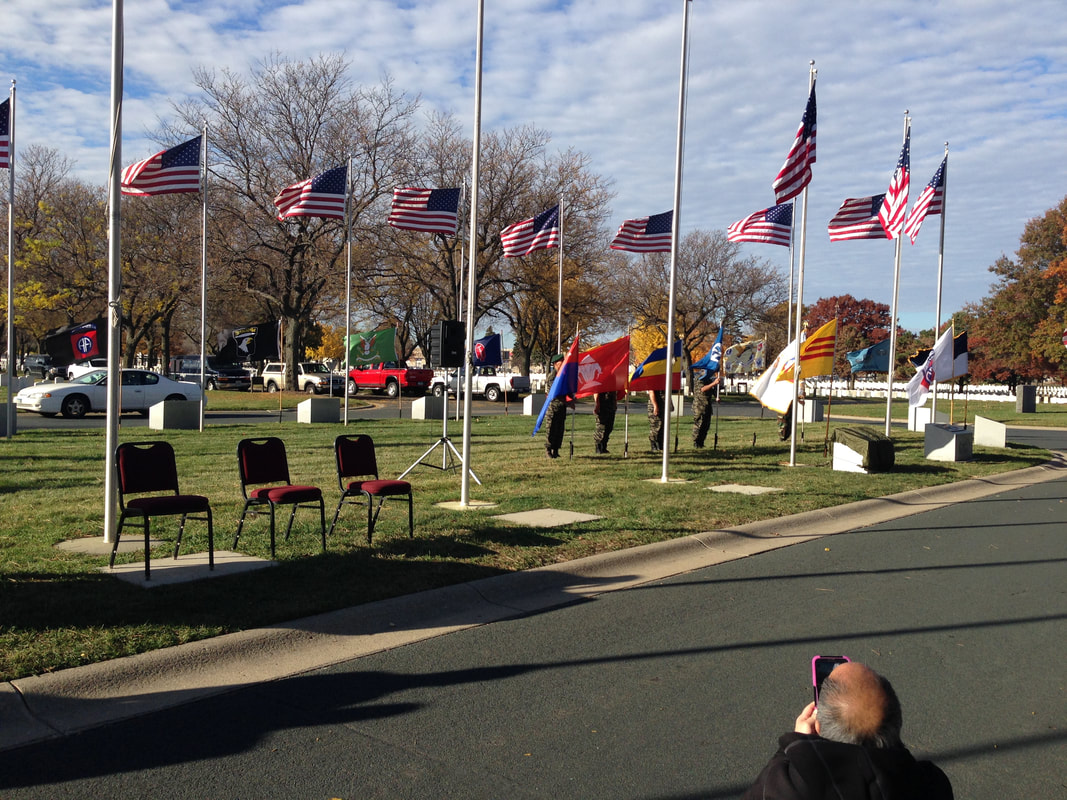
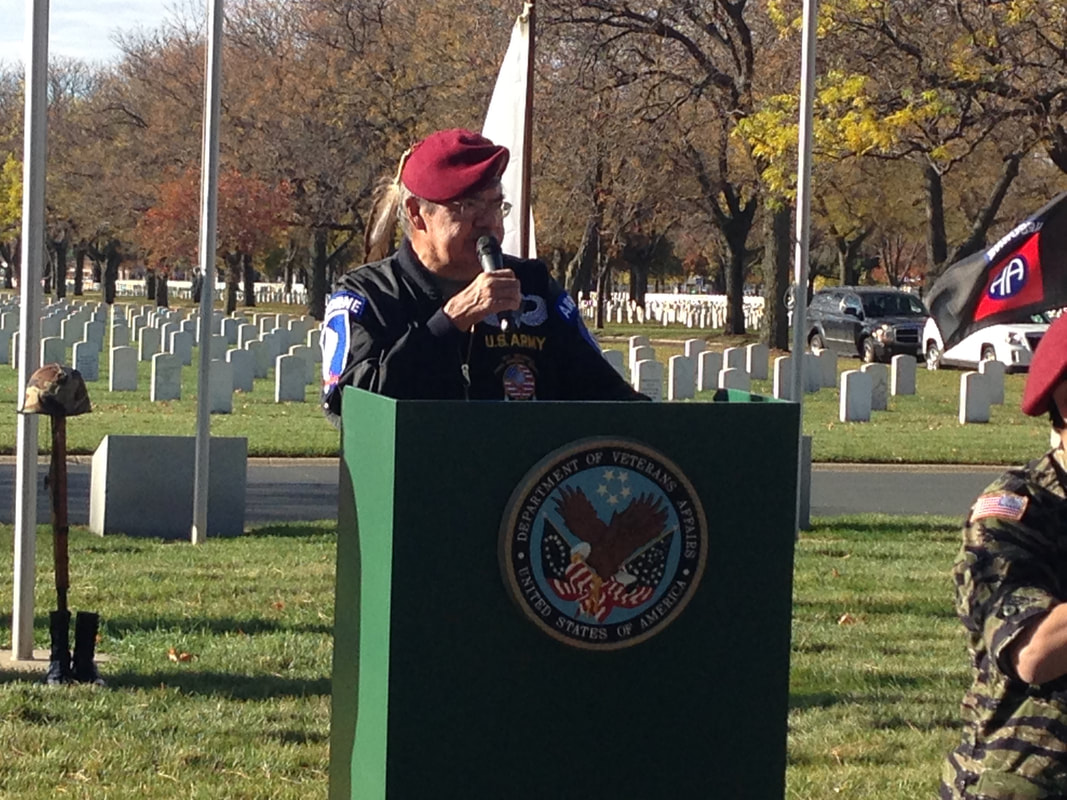
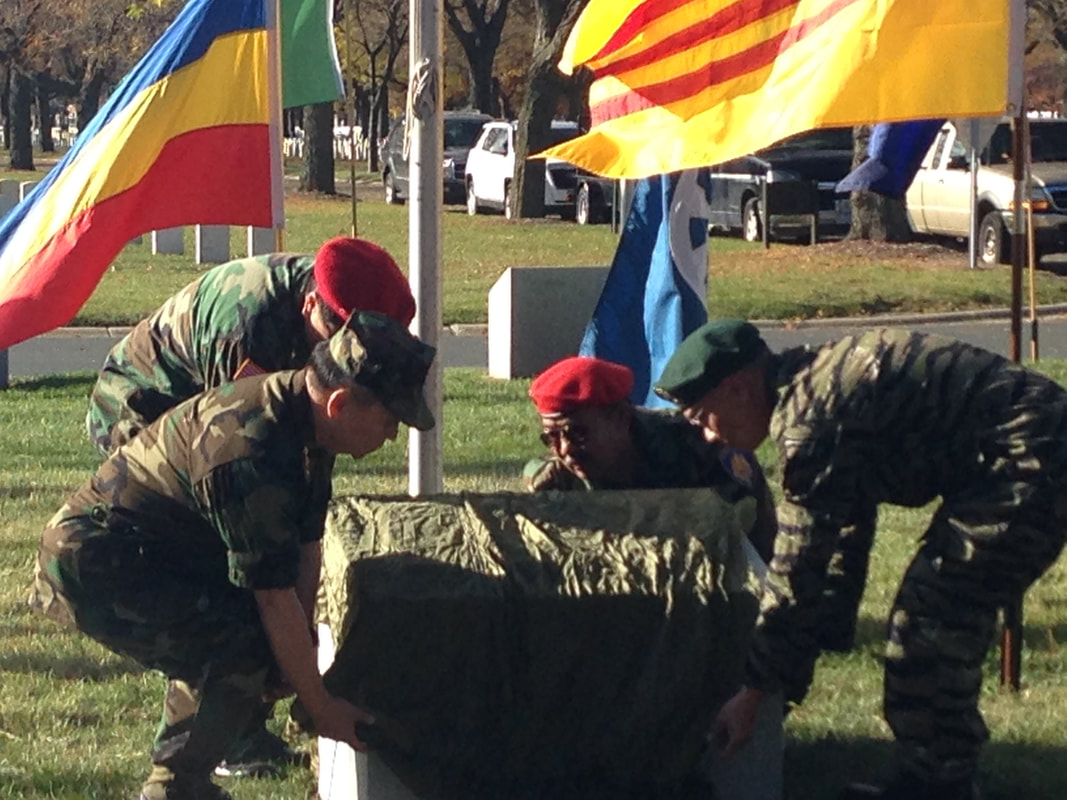
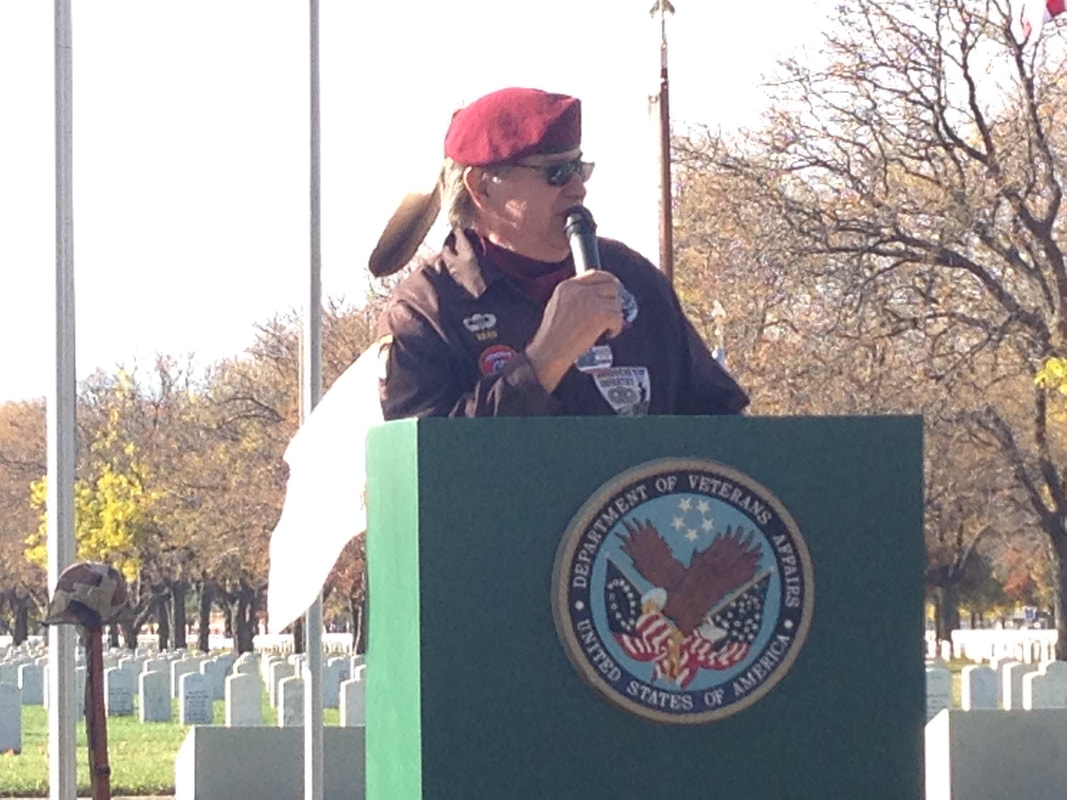
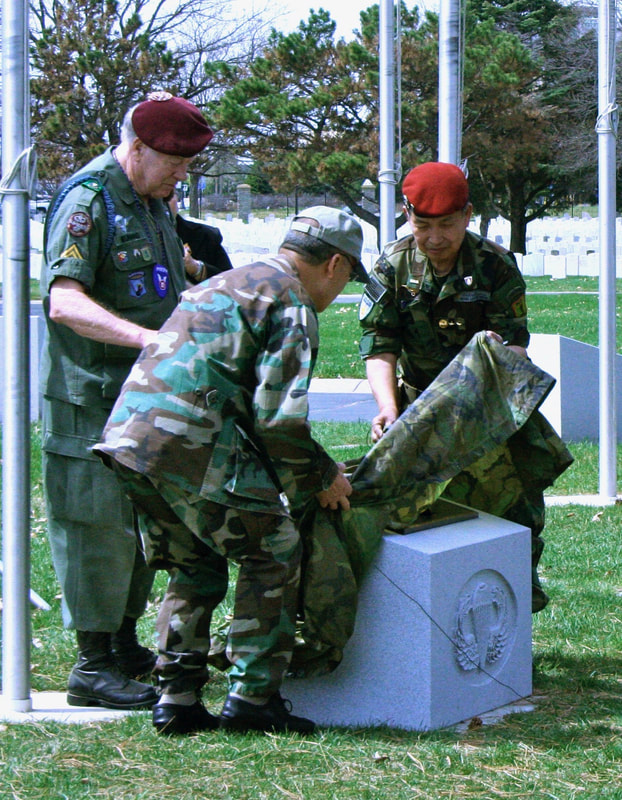
The SOG monument was dedicated in 2014 by the  United States Army Airborne Veterans which included Lao, Khmer, and Hmong Allies in attendance. Airborne Veterans Trudell Guerue, Jack Running, and Brad Nichols dedicating the monument. United States Department of Veteran Affiars Natioanal Cemetery Director John Knapp officiated the dedication..
Picture
Picture
Picture
Picture
Picture
Picture
Picture
Picture
Picture
Picture
Picture
Picture
Picture

Casting

The monument plaque was cast and officially installed in 2015.

Installation

On April 18th, 2015 the monument was officially installed in the All Airborne Circle at Fort Snelling National Cemetery.
Picture
Picture
Picture
Picture
Picture

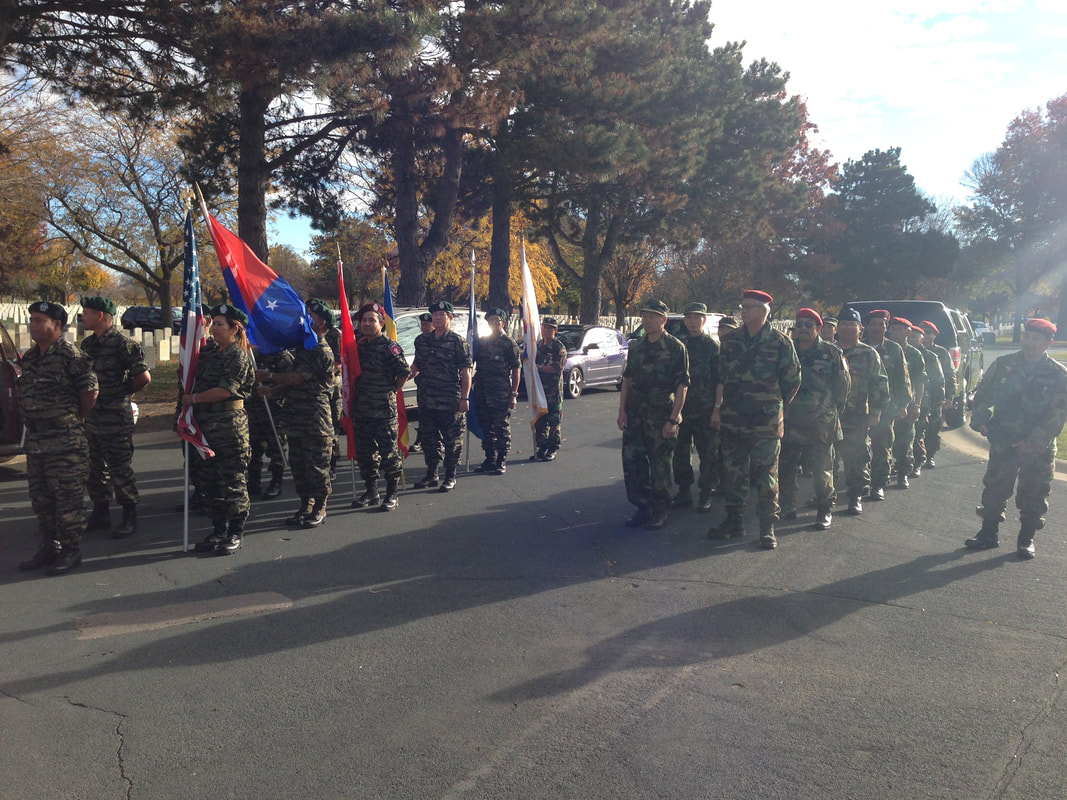
Today the Monument has become a destination for our allies and has been in continuous use on many days of commemoration.

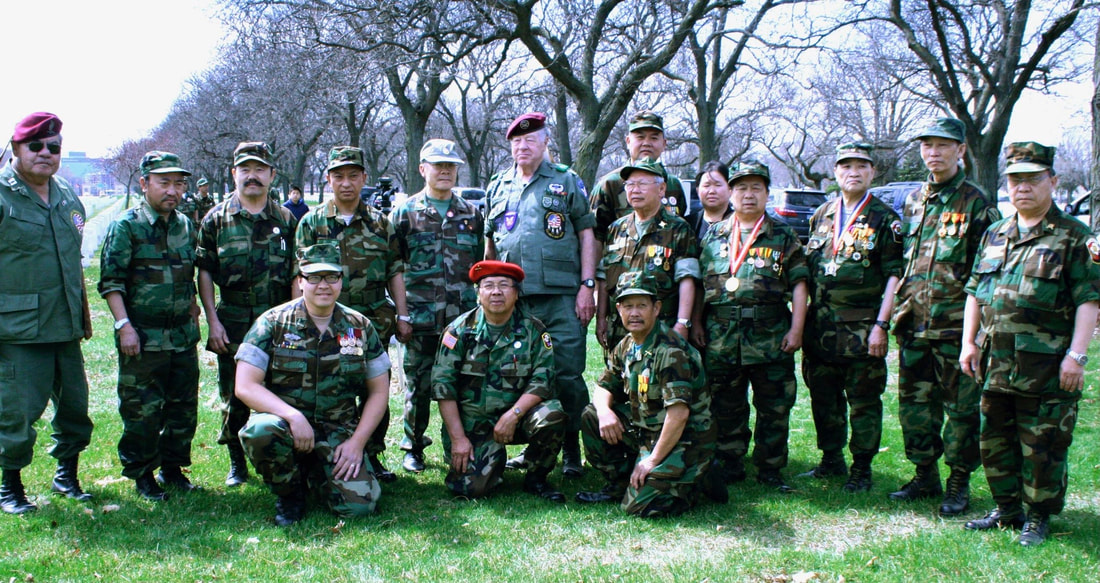
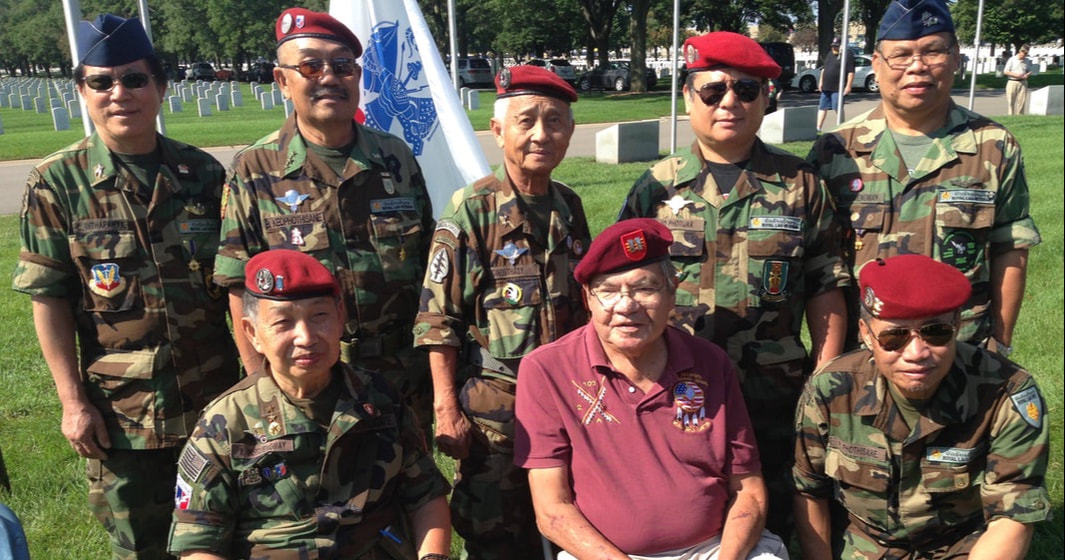
The monument is a destination to our Special Forces and Operations Veterans on many commemorative days. It has served as a destination to our Allies on many Commemorative Days.. To our Allies and those who served with them it is a revered site as it is the first and only monument dedicated to Allies who served with the United States in any United States Department of Veteran Affairs National Veteran Cemetery. Today the monument is destination for United States Military and or allies including those from The Republic of Vietnam, Kingdom of Laos, Khmer Republic, Kingdom of Thailand, Republic of Korea and most recently Afghanistan.

Picture
Picture
Picture

The United States Special Operations Veterans have proposed adding new Allied units to the monument. The new language was submitted in March of 2024 and we are awaiting approval from the United States Veteran Affairs National Cemetery Administration's Historians.

Re-casting language
                                                                                  SPECIAL OPERATIONS 
​

                            SPECIAL OPERATIONS ARE PERFORMED IN HOSTILE, DENIED, OR POLITICALLY SENSITIVE ENVIRONMENTS
             AND REQUIRE COVERT, CLANDESTINE, OR LOW VISIBILITY CAPABILITIES, THEY MAY BE PERFORMED INDEPENDENTLY
             OR IN CONJUNCTION WITH CONVENTIONAL MILITARY FORCES. 


1ST SPECIAL FORCES + MERRILL’S MARAUDERS + DARBY’S RANGERS + ALAMO SCOUTS + NAVY SEALS + UNDERWATER DEMOLITION TEAMS + OFFICE OF STRATEGIC SERVICES + RANGER INFANTRY COMPANIES (ABN) + UNITED NATIONS PARTISAN INFANTRY KOREA + PATROL CRAFT FAST + LONG RANGE RECONNAISSANCE PATROLS (LRRP, 75TH RANGERS) + US ARMY SPECIAL FORCES PROJECTS DELTA, GAMMA, SIGMA, OMEGA, MIKE FORCE, + 5th SPECIAL FORCES C.I.D.G. + KAMPUCHEA KROM MOBILE GUERRILLA UNITS + LAO SPECIAL GUERRILLA UNITS + HMONG SPECIAL GUERRILLA UNITS + USAF 20TH TASS + FACs RAVEN, RUSTIC, COVEY, NAIL, SIDEWINDER, MISTY, BUTTERFLY + MACV-SOG + OPLAN 34 ALPHA, AIR & NAVAL COMMANDOS + FIRST OBSERVATIONS GROUP STRATA + ARVN RANGERS + DETACHMENT (A) BERLIN BRIGADE + 160TH SOAR (ABN) “NIGHT STALKERS” + DELTA FORCE + TASK FORCE DAGGER + TASK FORCE 88 + MARINE FORCE RECON + MARSOC MARINE RAIDERS + 1ST ANGLICO + USAF COMBAT CONTROL TEAMS + USAF PARARESCUE + USCG DEPLOYABLE OPERATIONS GROUP + THAI OPERATION UNITY + THAI FORWARD AIR GUIDES + THAI PARU + US MILITARY & SPECIAL OPERATIONS ALLIES OF OPERATIONS ENDURING FREEDOM, IRAQI FREEDOM & ALLIES REFUGE + WWI FIRST OBSERVATIONS GROUP

                           THEY SHALL GROW NOT OLD, AS WE THAT ARE LEFT GROW OLD: AGE SHALL NOT WEARY THEM,  
                           NOR THE YEARS CONDEMN, AT THE GOING DOWN OF THE SUN AND THE MORNNG,
                           WE WILL REMEMBER THEM.
                                                                                                        “THE ODE” 

Descriptions of Units


The 1st Special Forces Group (Airborne) has a long and storied history serving the Nation during peacetime and war. Stationed at Joint Base Lewis-McChord, Washington, the 1st SFG (A) is the lead Special Forces Group on operations in Asia and the Pacific.
Special Forces units perform seven doctrinal missions: Unconventional Warfare, Foreign Internal Defense, Special Reconnaissance, Direct Action, Combating Terrorism, Counter-proliferation, and Information Operations. These missions make Special Forces unique in the U.S. military, because they are employed throughout the three stages of the operational continuum: peacetime, conflict and war.
Special Forces Soldiers are renowned for their ability to deploy in small teams, operate independently, and conduct their mission in austere environments. Whatever situation may arise, be assured the men of the Special Forces stand ready to answer the Nation's call to duty - De Oppresso Liber.

Merrill’s Marauders, officially the 5307th Composite Unit ((Provisional), was a U.S. Army unit formed during World War II, Known for its long-range penetration missions behind enemy lines in Burma. The unit, maned after its commander Brig. Gen. Frank Merrill, was a unique special operations force trained for jungle warfare. 
Key characteristics and actions:
Long- range penetration:
The Marauders were tasked with operating deep behind Japanese line in Burma, supporting the X Force in China-Burma-India Theater.

The Darby’s Rangers were officially known as the 1st Ranger Battalion, were an elite U.S. Army unit formed during World War II under the command of Major William O. Darby. Established in 1942, they were modeled after British Commandos and trained for special operations, including amphibious assaults, raids, and reconnaissance behind enemy lines. 

The Office of Strategic Services (OSS) was a U.S. intelligence agency during World War II, operating from 1942 to 1945. It was the predecessor to the CIA, tasked with espionage, sabotage, guerrilla warfare, and intelligence gathering behind enemy lines. Led by William “Wild Bill” Donovan, the OSS conducted covert operations in Europe, Asia, and North Africa, supporting resistance movements and disrupting Axis powers. Its Special Operations teams, like the Jedburghs, worked with groups like the French Resistance, while its Research and Analysis branch provided critical intelligence. The OSS pioneered modern special operations and intelligence tactics, with notable figures like Allen Dulles and Julia Child involved. It was disbanded post-war, but its functions and personnel shaped the CIA’s formation in 1947.

The Alamo Scouts were formally known as the “U.S. Sixth Army Special Reconnaissance Unit”, were an elite reconnaissance and special operations unit of the U.S. Army during World War II, operating in the Southwest Pacific Theater. Formed on November 28, 1943, on Fergusson Island, New Guinea, they were created by **Lieutenant General Walter Krueger**, commander of the Sixth Army, to address the need for accurate intelligence due to unreliable reports from other sources. Named after Krueger’s connection to San Antonio, Texas, and his admiration for the Alamo, the Scouts conducted covert missions behind enemy lines, primarily in New Guinea and the Philippines.

The Navy Seals (Sea, Air, and Land Teams) are an elite special operations force of the U.S. Navy, specializing in unconventional warfare, counterterrorism, reconnaissance, and direct-action missions. Formed in 1962 under President John F. Kennedy, they evolved from WWII-era units like the Navy’s Underwater Demolition Teams (UDTs) and are part of the U.S. Special Operations Command (USSOCOM).

Underwater Demolition Teams (UDTs) were specialized U.S. Navy units during World War II and the Korean War, tasked with conducting amphibious reconnaissance, clearing beach obstacles, and performing underwater demolitions to prepare for Allied landings. They were the direct predecessors to the modern **Navy SEALs**, laying the foundation for naval special operations.

Ranger Infantry (Abn) officially known as the “75th Ranger Regiment” is an elite special operations force within the U.S. Army Special Operations Command (USASOC), specializing in airborne infantry, direct-action raids, airfield seizures, and special reconnaissance. Based at Fort Benning (now Fort Moore), Georgia, it is distinct from the broader Army Rangers who earn the "Ranger Tab" via Ranger School. The 75th is a permanent, deployable unit with a storied history tied to WWII Rangers.

The United Nations Partisan Infantry Korea (UNPIK), also known as the “United Nations Partisan Forces Korea (UNPFK)” or the “White Tigers”, was a guerrilla commando unit during the “Korean War (1950–1953)” that operated under the control of the “United States Far East Command” and the “Eighth U.S. Army”. Consolidated under the “8240th Army Unit” and “8086th Army Unit”, UNPIK conducted covert operations deep inside North Korea to disrupt enemy operations, gather intelligence, and support anti-communist resistance. The unit’s activities were declassified by the U.S. Army in 1990.

The Patrol Craft Fast (PCF), commonly known as the “Swift Boat”, was an all-aluminum, 50-foot (15-meter), shallow-draft vessel used by the U.S. Navy during the “Vietnam War (1965–1971)” for coastal and riverine operations. Designed for counterinsurgency (COIN) missions, PCFs patrolled South Vietnam’s coastal waters and interior waterways to interdict Viet Cong supply lines, transport South Vietnamese forces, and insert U.S. Navy SEAL teams.

Long Range Reconnaissance (LRRP), pronounced "Lurps," were specialized U.S. Army units during the “Vietnam War (1965–1973)” that conducted covert, small-team reconnaissance and intelligence-gathering missions deep behind enemy lines. Operating in teams of 4–6 soldiers, LRRPs gathered critical intelligence on Viet Cong (VC) and North Vietnamese Army (NVA) movements, often in dense jungles or enemy-controlled territory, while avoiding direct combat. 

Army Special Forces Projects Delta, Sigma, Gamma, Omega, Mike Forces were covert special reconnaissance (SR) and intelligence-gathering operations conducted by the U.S. Army Special Forces under the “Military Assistance Command, Vietnam (MACV)” during the “Vietnam War (1964–1970)”. These Greek-lettered projects, primarily operated by the “5th Special Forces Group (Airborne)”, aimed to collect operational and strategic intelligence in remote, enemy-controlled areas of South Vietnam, Cambodia, and Laos. They involved small, elite teams of U.S. Special Forces and indigenous personnel (e.g., Vietnamese Special Forces, Montagnards, Nungs) conducting high-risk missions such as reconnaissance, hunter-killer operations, and sabotage.

Kampuchea Krom Mobile Guerrilla Units were mobile fighters operating in small, agile units across the Mekong Delta and Cambodian border areas, using later guerrilla tactics against both South Vietnamese forces and later the communist Peoples Army of Vietnam (PAVN).  Many were recruited into the U.S. backed units like the “Mike Fore” (Mobile Strike Force Command) during the Vietnam War. They included: The Khmer Serei guerrillas who conducted warfare, propaganda, and clandestine radio broadcasts to destabilize Sihanouk’s government which they believed was pro communist. They received support from the United States, Thailand, and South Vietnam, including training from U.S. Special Forces and integration into the Civilian Irregular Defense Group (CIDG), which provided financial and military resources. And the White Scarves or  (Kangsaing Sar) were a semi-mystic, semi-military group during the Vietnam War (1964–1974), the Khmer Krom, including the White Scarves, were recruited by the U.S. Armed Forces to serve in the MIKE Force, fighting alongside South Vietnam against the Viet Cong. After the fall of Saigon in 1975, the White Scarves faced persecution from the victorious Communist forces in Vietnam. Many fighters fled to Khmer Rouge-controlled Democratic Kampuchea (Cambodia) in 1976, seeking refuge in Kiri Vong District and appealing to Khmer Rouge leader Khieu Samphan for support. Initially welcomed, they were disarmed, and Samouk Sen was arrested, tortured, and killed in Phnom Penh. His force of 67 fighters was massacred, and over the following months, approximately 2,000 White Scarves crossing into Cambodia were systematically killed by the Khmer Rouge, who suspected them of being Vietnamese collaborators.

The 5th Special Forces CIDG or the 5th Special Forces (Green Berets) Civilian Irregular Defence Group (CIDG) were The Civilian Irregular Defense Group (CIDG) was a U.S.-initiated program during the Vietnam War, designed to organize and train Indigenous and ethnic minority groups in South Vietnam for counterinsurgency operations against the Viet Cong (VC) and North Vietnamese Army (NVA). Administered by the United States Army Special Forces (Green Berets) under the 5th Special Forces Group, in coordination with the Central Intelligence Agency (CIA) and the South Vietnamese Army (ARVN), the CIDG operated from 1961 to 1971. The program aimed to secure remote areas, disrupt communist supply lines (e.g., the Ho Chi Minh Trail), and win the loyalty of local populations through a “hearts and minds” approach. The CIDG was composed primarily of Indigenous ethnic minorities from South Vietnam’s highlands and border regions, including the Montagnards (Degar), Khmer Krom, Nung, Cham, and other groups, as well as some ethnic Vietnamese. These forces were not regular military but “irregular” units, often operating under civilian cover to maintain flexibility and local legitimacy.

The Lao Special Guerrilla Units (SGU) were irregular military units composed primarily of Lao Loum or Lowland Lao people from Laos, organized and supported by the U.S. Central Intelligence Agency (CIA) during the Vietnam War (1960s–1975). Constituting about 65% of all SGU irregular forces they played a critical role in the covert conflict known as the “Secret War” in Laos, fighting against the communist Pathet Lao and North Vietnamese forces.

The Hmong Special Guerrilla Units (SGU) were irregular military units composed primarily of Hmong people from Laos, organized and supported by the U.S. Central Intelligence Agency (CIA) during the Vietnam War (1960s–1975). Constituting about 35% of all SGU irregular forces they played a critical role in the covert conflict known as the “Secret War” in Laos, fighting against the communist Pathet Lao and North Vietnamese forces.

The USAF 20th TASS or the USAF 20th Tactical Air Support Squadron (20th TASS) was a United States Air Force unit that played a significant role during the Vietnam War and in subsequent operations. It was primarily responsible for providing forward air control (FAC), visual reconnaissance, and tactical air support for ground forces, ensuring coordination between air and ground operations.

FACs, Raven, Rustic, Covey, Nail, Sidewinder, Misty, Butterfly were distinct groups of U.S. military personnel, primarily from the U.S. Air Force (USAF), who performed forward air control missions during the Vietnam War (1959–1975). These FACs were responsible for directing airstrikes, conducting reconnaissance, and coordinating air support for ground forces, often in highly dangerous conditions. Each group had unique roles, operational areas, and call signs, shaped by the theater of operations (South Vietnam, Laos, Cambodia, or North Vietnam) and the specific missions they undertook.

MCAV SOG or The Military Assistance Command, Vietnam – Studies and Observations Group (MACV-SOG) was a highly classified, multi-service United States special operations unit that conducted covert unconventional warfare operations during the Vietnam War (1964–1972). Operating under the Military Assistance Command, Vietnam (MACV), SOG was primarily tasked with conducting strategic reconnaissance, direct action, and other clandestine missions in Southeast Asia, including South Vietnam, North Vietnam, Laos, and Cambodia. Its activities were part of the broader U.S. effort to counter communist forces, particularly the North Vietnamese Army (NVA) and Viet Cong (VC), and to disrupt their operations along the Ho Chi Minh Trail.

The OPLAN 34 Alpha, Air & Naval Commandos (also written as OPLAN 34-Alpha or Operations Plan 34A) was a highly classified U.S. covert operations program during the Vietnam War, initiated in 1964 under the Military Assistance Command, Vietnam – Studies and Observations Group (MACV-SOG). It aimed to conduct clandestine military and psychological operations against North Vietnam to destabilize the communist government, disrupt its war effort, and support U.S. objectives in the broader Vietnam conflict. The program involved maritime raids, agent insertions, psychological warfare, and other unconventional operations, primarily executed by South Vietnamese personnel with U.S. oversight and support.

The First Observations Group STRATA Teams were a specialized component of the Military Assistance Command, Vietnam – Studies and Observations Group (MACV-SOG) during the Vietnam War (1964–1972). Officially known as Short Term Roadwatch and Target Acquisition teams, STRATA teams were all-South Vietnamese units designed to conduct short-duration, covert intelligence-gathering missions in North Vietnam, Laos, and areas near the South Vietnamese border. These teams were developed to address the shortcomings of earlier long-term agent operations, which had been largely compromised by North Vietnamese counterintelligence. Operating under OPLAN 34B (a subset of MACV-SOG’s covert operations framework, distinct from but related to OPLAN 34A), STRATA teams focused on rapid insertion, reconnaissance, and extraction to minimize exposure and maximize operational success.

The ARVN Rangers officially known as the “Army of the Republic of Vietnam (ARVN) Rangers” or “Biệt Động Quân” in Vietnamese, were elite light infantry units of the South Vietnamese military during the Vietnam War (1955–1975). They were highly trained, specialized forces designed for rapid response, reconnaissance, counterinsurgency, and special operations, often operating in challenging terrains like jungles and highlands. inspired by the U.S. Army Rangers, to conduct aggressive, small-unit operations against Viet Cong (VC) guerrillas and North Vietnamese Army (NVA) forces. They were intended to be a highly mobile, elite force capable of operating independently or alongside U.S. and allied forces.The Rangers were drawn from volunteers within the ARVN, often including ethnic Vietnamese and minority groups like the Montagnards. They were known for their discipline, loyalty, and combat effectiveness compared to regular ARVN units, though their performance varied by unit and leadership.

The Detachment (A), Berlin Brigade,  Detachment A (Det A) of the Berlin Brigade was a clandestine U.S. Army Special Forces unit operating in West Berlin from 1956 to 1984 during the Cold War. It was a highly specialized, covert group of Green Berets tasked with unconventional warfare missions behind enemy lines, particularly in the event of a Soviet invasion of West Berlin. 

The 160th SOAR (Abn) or The “160th Special Operations Aviation Regiment (Airborne)”, commonly known as the “Night Stalkers”, is a U.S. Army special operations unit that provides helicopter aviation support for special operations forces.the “160th Aviation Battalion”, formed from elements of the “101st Airborne Division” at “Fort Campbell, Kentucky” Known as the “Night Stalkers” due to their expertise in nighttime operations, using advanced night-vision technology and low-level flying to infiltrate and exfiltrate special operations forces undetected. Their motto is “ ‘Night Stalkers Don’t Quit’ (NSDQ) ”

The Delta Force is a Tier 1 special operations unit specializing in counterterrorism, hostage rescue, direct action, special reconnaissance, and high-value target (HVT) operations. It conducts covert and clandestine missions, often in high-risk environments, with a focus on precision and secrecy.

Task Force Dagger was a U.S.-led special operations task force formed in October 2001 as part of “Operation Enduring Freedom”, the U.S. military response to the September 11, 2001, terrorist attacks. Its mission was to overthrow the Taliban regime in Afghanistan, dismantle al-Qaeda, and support the Afghan Northern Alliance through unconventional warfare, counterterrorism, and direct action. It included elite U.S. units, such as: - “5th Special Forces Group (Airborne)”: Provided “Operational Detachment-Alphas (ODAs)” like ODA 595 and ODA 555 for advising Northern Alliance fighters and coordinating airstrikes. - “1st Special Forces Operational Detachment-Delta (Delta Force)”: Conducted high-value target (HVT) raids and special reconnaissance. 

Task Force 88 was a U.S. special operations unit, primarily under the “Joint Special Operations Command (JSOC)”, formed after the September 11, 2001, terrorist attacks to conduct counterterrorism and high-value target (HVT) operations in Iraq and Afghanistan. Described as a “hunter-killer team,” it focused on capturing or eliminating key terrorist leaders, including al-Qaeda and Islamic State of Iraq (ISI) figures. 

The Marine Force Recon or “Marine Force Reconnaissance (Force Recon)” is an elite special operations-capable unit within the U.S. Marine Corps, tasked with conducting deep reconnaissance, direct action, and other specialized missions in support of Marine and joint operations. It is designed to operate behind enemy lines, gather intelligence, and execute high-risk tasks in austere environments.

The MARSOC Marine Raiders, The “Marine Raiders” are the special operations forces of the “U.S. Marine Corps Special Operations Command (MARSOC)”, a component of “U.S. Special Operations Command (SOCOM)”. They conduct specialized missions including direct action, special reconnaissance, counterterrorism, foreign internal defense, and unconventional warfare, often in support of joint special operations. MARSOC Marine Raiders provide the Marine Corps with a dedicated special operations capability within SOCOM.

The 1st ANGLICO was The “1st Air Naval Gunfire Liaison Company (1st ANGLICO)” is a U.S. Marine Corps unit under the “I Marine Expeditionary Force (I MEF)”, based at “Camp Pendleton, California”. It specializes in coordinating fire support—close air support (CAS), artillery, and naval gunfire—for non-Marine units, including U.S. Army, allied, coalition, and special operations forces, operating in or adjacent to the “Marine Air-Ground Task Force (MAGTF)” Battlespace.

The USAF Combat Control Teams or “Combat Control Teams (CCTs)” are elite U.S. Air Force special operations units, composed of “Combat Controllers” within the “Air Force Special Tactics Squadrons”, under “Air Force Special Operations Command (AFSOC)” and “Joint Special Operations Command (JSOC)”. They are highly trained airmen who operate in austere, hostile environments to provide air traffic control, coordinate close air support (CAS), and integrate air and ground operations, often embedded with special operations or conventional forces.

The USAF Pararescue  or United States Air Force Pararescuemen, commonly known as PJs (Pararescue Jumpers), are elite special operations forces within the U.S. Air Force Special Operations Command (AFSOC) and Air Combat Command (ACC). They are the only Department of Defense personnel specifically trained and equipped to conduct full-spectrum personnel recovery (PR), including conventional and unconventional combat search and rescue (CSAR) operations, as well as humanitarian missions. Their motto, “These Things We Do, That Others May Live,” reflects their commitment to rescuing and providing medical care in the most challenging environments.

The USCG Deployable Operations Group or The “United States Coast Guard Deployable Operations Group (DOG)” was a command established on July 20, 2007, and decommissioned on October 1, 2013. It was headquartered in Arlington, Virginia, and led by a captain. The DOG was created to provide a centralized authority for the Coast Guard’s “Deployable Specialized Forces (DSF)”, which are highly trained, equipped, and organized units capable of rapid deployment to support the Coast Guard, Department of Homeland Security (DHS), Department of Defense (DoD), and other inter-agency operational and tactical commanders. After its decommissioning, the DSF units were reorganized under the Coast Guard’s Pacific and Atlantic Area commands, continuing to operate as Deployable Specialized Forces.

The Thai Unity SGU or Thailand’s Special Guerrilla Units was a covert Thai military unit, primarily composed of “Thai volunteers” and ethnic minorities, organized to conduct “guerrilla warfare” and “special operations” during the Vietnam War, particularly in the “Secret War in Laos”. It was part of Thailand’s broader anti-communist efforts, supported by the “CIA” and coordinated with U.S. and allied forces.

The Thai Forward Air Guides orThe “Thai Forward Air Guides (FAGs)” were a small, specialized group of over “100 Thai military-aged males” recruited by the “CIA” to coordinate U.S. airstrikes, reconnaissance, and medical evacuations during the Secret War in Laos. Operating from the 1960s through the early 1970s, they were critical to the CIA’s paramilitary operations, which supported anti-communist forces in Laos

The Thai PARU or The Police Aerial Resupply Unit (PARU), also known as the Police Aerial Reinforcement Unit, was an elite special operations unit within the Royal Thai Police’s Border Patrol Police (BPP), active from 1954 to 1974. Established with significant support from the U.S. Central Intelligence Agency (CIA), PARU was designed to counter communist insurgencies in Thailand and conduct covert operations, particularly during the Laotian Civil War and the broader Vietnam War era.

US Military & Special Operations Allies of Operations Enduring Freedom, Iraqi Freedom, & Allies Refuge were U.S. Forces supported by Indigenous translators and interpreters from Iraq and Afghanistan who played critical role in supporting U.S. military operations during Operation Enduring Freedom (OEF) in Afghanistan (2001–2014) and Operation Iraqi Freedom (OIF) in Iraq (2003–2011), as well as during Operation Allies Refuge (2021). These individuals, often from local ethnic groups such as Pashtuns, Tajiks, Hazaras, Uzbeks in Afghanistan, and Kurds, Arabs, or other minorities in Iraq, bridged linguistic and cultural gaps, enabling effective communication, intelligence gathering, and operational success.

The First Observation Group was a U.S. Army Air Service unit established during World War I. It was organized in April 1918 as the I Corps Observation Group and operated on the Western Front in France. Its primary mission was to provide aerial reconnaissance and artillery adjustment to support U.S. Army operations.
The group included squadrons like the 1st Aero Squadron and the 12th Aero Squadron, which conducted visual and photographic reconnaissance, artillery spotting, and infantry contact patrols2. They used specially modified aircraft equipped with cameras and radios for these missions. The group played a significant role in major campaigns such as the Aisne-Marne Offensive, St. Mihiel Offensive, and Meuse-Argonne Offensive.
​

The Coalition of Allied Vietnam War Veterans is a former 501(c)3 non profit which ceased operating under that IRS status at the end of 2025 which was the 50th anniversary year of the ending of the Vietnam War.
It now operates as a Veteran Fellowship located in the State of Minnesota


  • CAVWV
    • About Us
    • Board of Directors
    • Coalition Partners
    • Meetings
    • Book & Film & Further Reading
  • Our Allies
    • Afghanistan >
      • Conditions in Afghanistan
      • SIV Frequently Asked Questions
    • Our Allies Vietnam War >
      • Vietnam War >
        • Republic of Veitnam >
          • Current Conditions in Communist Vietnam
        • Cambodia & Khmer Republic >
          • Current Conditions in Cambodia
        • Laos "The Secret War " >
          • Upland Lao
          • Midland Lao
          • Lowland Lao
          • Ho Chi Minh Trail
          • Lao Lima Sites
          • Campaign 74B
          • Battle for Skyline Ridge
          • AIR AMERICA
        • Canada
        • Korea - ROK
        • New Zealand & Australia
        • Taiwan - ROC >
          • Taiwan Current Conditions
        • Thailand
        • United States of America
        • Other Coalition Countries ( 1954-1975 )
        • POW-MIA-Genocide
        • Tibet
        • Communist Aggression >
          • Communist Combatents North Vietnam
      • Maps
  • Veteran defined
    • Proposed Amendment to SF1959 >
      • A25-0066 amendment
    • Amended tite 38, Part 38, analysis and arguments >
      • Inclusive Recognition
      • Excluded Allies & Units
      • Letters and Testimony
    • Bill Text, benifits provided and problems found
    • Task Force Established >
      • CAVWV Report & Analysis >
        • Filipino WWII veterans
        • Baird - Hillmer
        • History of SGU OrganizationsNew Page
        • Motion #1, Task Force
    • Final Overview
  • Legislation
    • State of Minnesota >
      • "Completing the Record" Documentary
      • 50th Commemoration Funding
      • Hmong Monument Controversy
    • Congressional legislation >
      • Hmong Gold Medal
      • Hmong Burial Controversy >
        • Public Law 115-141’s Division J, Title II, Sec. 251, Paragraph (b) (10)
        • Pre Burial Application w/ Qualifications >
          • Criteria
        • Analysis, Rationale and Research >
          • 1971 Moose-Lowenstein Report
        • Coalition Remedy to PL-115-141
        • Costa Remedy >
          • Press Release HR 4204
        • Insixiegmay Khao Case >
          • Appeal to Congress
          • Callahan Letter
        • Vila Chau Case
        • Tran Van Quy Case
        • VA Amendment to Title 38
        • Pre burial and addendum application
      • Afghan Allies Protection Act of 2009 >
        • S.2327 TEXT
        • S2324 text
        • S.1786 TEXT
      • Legacy Fund & Veterans
  • Special Projects
    • Featured Focus >
      • PBS "The Vietnam War" >
        • Thomas Briggs
        • The Vietnam War an Introduction >
          • " Last Days in Vietnam " Documentary
        • Steve Sherman, "Re-examining History"
    • Declaration of Independence Khmer Translation
    • SOG Monument >
      • VA Responce
    • Phil Conran
    • Timeline Series >
      • Timeline South Vietnam >
        • 1995-2000
        • 2000-2005
        • 2005-2015
      • Cambodia Timeline
      • Timeline Laos >
        • Laos Timeline Table I
        • Laos Timeline Table II
        • Timeline Hmong
      • Timeline Afghan Evacuation
      • Timeline Communism
    • Allied Veteran Story Collections >
      • Vila Chau
  • Events & Observances
    • Obituaries & Funeral Services >
      • In Memoriam >
        • Ananh "Lee" Saenviley
    • Coalition Observances >
      • CAVWV Veterans Day Commemoration
      • Mental Health Awareness Month
      • Gen. John Vessey Day Jr.
      • American Allies Day
    • United States Observances >
      • 1973 Paris Peace Accords Anniversay
      • Vietnam War Veterans Day
      • Memorial Day 2025
      • Independence Day
      • POW / MIA / Genocide Rememberence Day
      • Flag Day
      • American Veterans Day
    • Khmer Observances >
      • Genocide Liberation Day
      • Khmer Republic Veterans Day
    • Vietnam Observances >
      • Vietnam Armed Forces Day June 14, 2025
    • Lao Observances >
      • Lao 50 Veterans 50th Banquet
      • SGU Veterans Commemoration Day
    • Hmong Observances
  • Contact Us